Seawall Repair in Panama City, FL
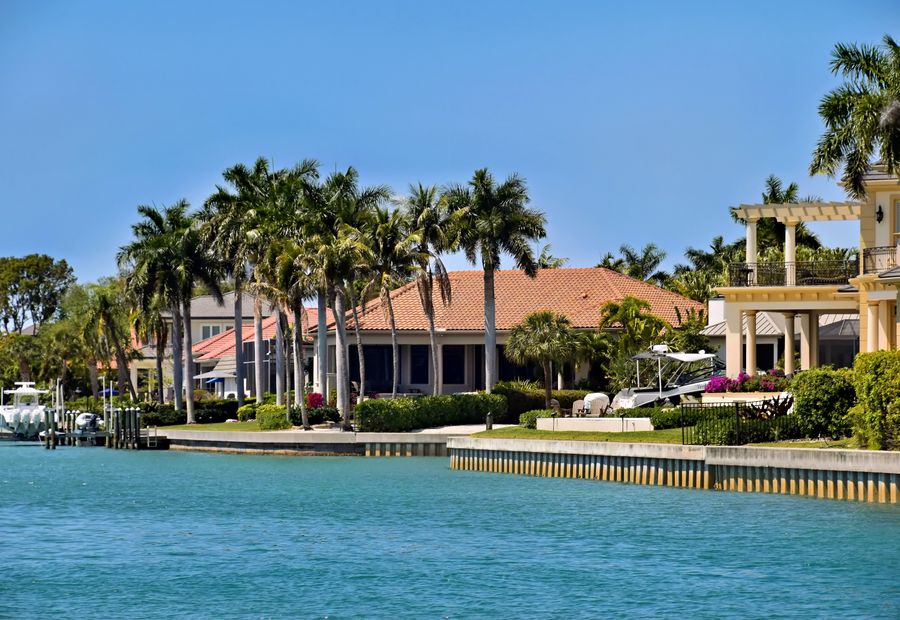
A seawall is the wall that holds your yard back from the water. On St Andrews Bay and the Gulf shoreline of Panama City, it is the structure standing between your lawn and the bay, and against surge it is the difference between a yard and open water. Panama City Seawall repairs failing concrete, vinyl, and timber seawalls across the bay, from The Cove and Historic St. Andrews to Lynn Haven and the beach.
We are a local marine construction contractor, not a foundation-repair franchise. We do not inject your yard with foam and call the wall fixed. We rebuild the wall itself: the panel, the cap, the tie-backs, the toe, and the backfill behind it. That is what actually holds a Gulf-influenced bay shoreline, and it is the only thing that lasts against surge.
What a Failing Seawall Looks Like
The bay shows you before the wall goes. A dip or sinkhole behind the cap means fill is draining out through a leak. A wall leaning toward the water has lost its tie-backs. Panels cracked or bulging, and a concrete cap that is spalling, cracking, or dropping at one end, all say the wall is no longer sound and the bay is taking your yard through the gaps. On the cap, spalling concrete also means the reinforcing steel inside is rusting and expanding.
Why Seawalls Fail Here
Panama City sits on St Andrews Bay, open to the Gulf through the pass, so its walls take real surge and wave energy on top of the daily tide. The soils run sandy over limestone, which scours easily at the toe. And over all of it hangs Hurricane Michael, the 2018 Category 5 that drove surge and debris against seawalls across the bay and left a decade of quiet, ongoing failures behind it. Older concrete-cap and timber walls reach the end of their life, the cap steel rusts, and the anchors let go.
How We Repair a Seawall
We fix the cause, in order. A leaning wall gets new tie-backs and deadman anchors in stable ground. A scoured toe gets rebuilt. A failed panel gets new vinyl sheet pile spliced on the wall's line, and a spalling or cracked concrete cap gets repaired or repoured over sound steel. Where the yard has drained we refill, compact, and cap the void. Done in that order the repair holds through the next storm season.
When Replacement Is the Honest Call
Not every wall is worth saving. When the panels are cracked through in runs, the toe is gone, and the wall leans past plumb, new anchors are money after a lost wall. That is a replacement, and the written estimate shows both paths with real per-foot numbers so you can see why. We would rather lose the smaller job than sell you a patch that fails in the next surge.
Built to the Florida Permit
Seawall work on the bay runs through the Florida Department of Environmental Protection, the Army Corps, and Bay County or the city, with sovereign submerged lands authorization where the wall sits on state bottom. In-kind repair is a lighter path; a new or raised wall is the fuller review. We handle the permit side for what we build and tell you which category you are in before we quote.
Losing ground behind your seawall? Call (850) 555-0173. We will look at the cap, the lean, the toe, and the yard behind it and tell you plainly whether it is a repair or a rebuild.
How do I know my seawall is failing?
The bay tells you. A yard that dips or sinks near the cap, a sinkhole or soft spot behind the wall, a wall leaning out toward the water, panels cracked or bulging, and a concrete cap that is spalling, cracking, or dropping all mean the wall is losing the ground behind it. On St Andrews Bay a leak drains the fill out on the falling tide and the storm surge undercuts what is left. A seawall that is old but still tight and plumb is not urgent; a leaning or spalling one is.
Is my seawall still damaged from Hurricane Michael?
Very possibly, even if it looked standing afterward. Michael came ashore near Panama City as a Category 5 in 2018 and drove surge and debris against seawalls across St Andrews Bay. A wall that was scoured, cracked, or shifted but not flattened can keep failing for years, losing backfill and dragging its anchors. If your wall predates 2018 and was never properly rebuilt, a leaning face or a sinking yard now is often that storm still working. We look at whether it is worth repairing or has reached replacement.
Can a seawall be repaired, or does the whole wall need replacing?
Often it can be repaired, and we tell you honestly which you are looking at. A wall with a sound panel but a failed tie-back, a scoured toe, a cracked cap, or a single void is a repair: new anchors, a rebuilt toe, a new or patched cap, and fresh backfill. When the panels are cracked through in runs, the wall leans past plumb, and the whole thing is the same storm-damaged age, replacement is the honest call and we say so rather than sell a patch that fails in the next surge.
Do I need a permit to repair my seawall in Panama City?
It depends on the work. In-kind, in-place repair of a functioning seawall in the same footprint is a lighter path, while a new wall, a raised wall, or one moved waterward runs the fuller Florida Department of Environmental Protection and Army Corps review, plus Bay County or city approval and sovereign submerged lands authorization where it applies. We tell you which category your job is in and handle the permit side for what we build.
How urgent is a leaning or spalling seawall on the bay?
More urgent than it looks. A wall that has started to lean is already losing backfill, and a concrete cap that is spalling is exposing and rusting the steel inside it, which accelerates the failure. On a Gulf-influenced bay the next tropical system can turn a repairable wall into a replacement overnight. If your wall is leaning, cracking, or dropping its cap, get it looked at before hurricane season, not after.